Can IC Be Cured? Here’s What to Know About Interstitial Cystitis (IC)
If you have Interstitial Cystitis (IC), you might be wondering whether or not IC can be cured.
This is a super common question amongst our patients at Vivid. Once you are diagnosed, you want to know how this diagnosis is going to affect your life and if you're able to cure it or go into remission.
Let's talk about what exactly Interstitial Cystitis is, common symptoms, and why being "cured" doesn't need to be the goal, but rather treating Interstitial Cystitis, relieving your symptoms, and helping you live a life where you feel good daily.
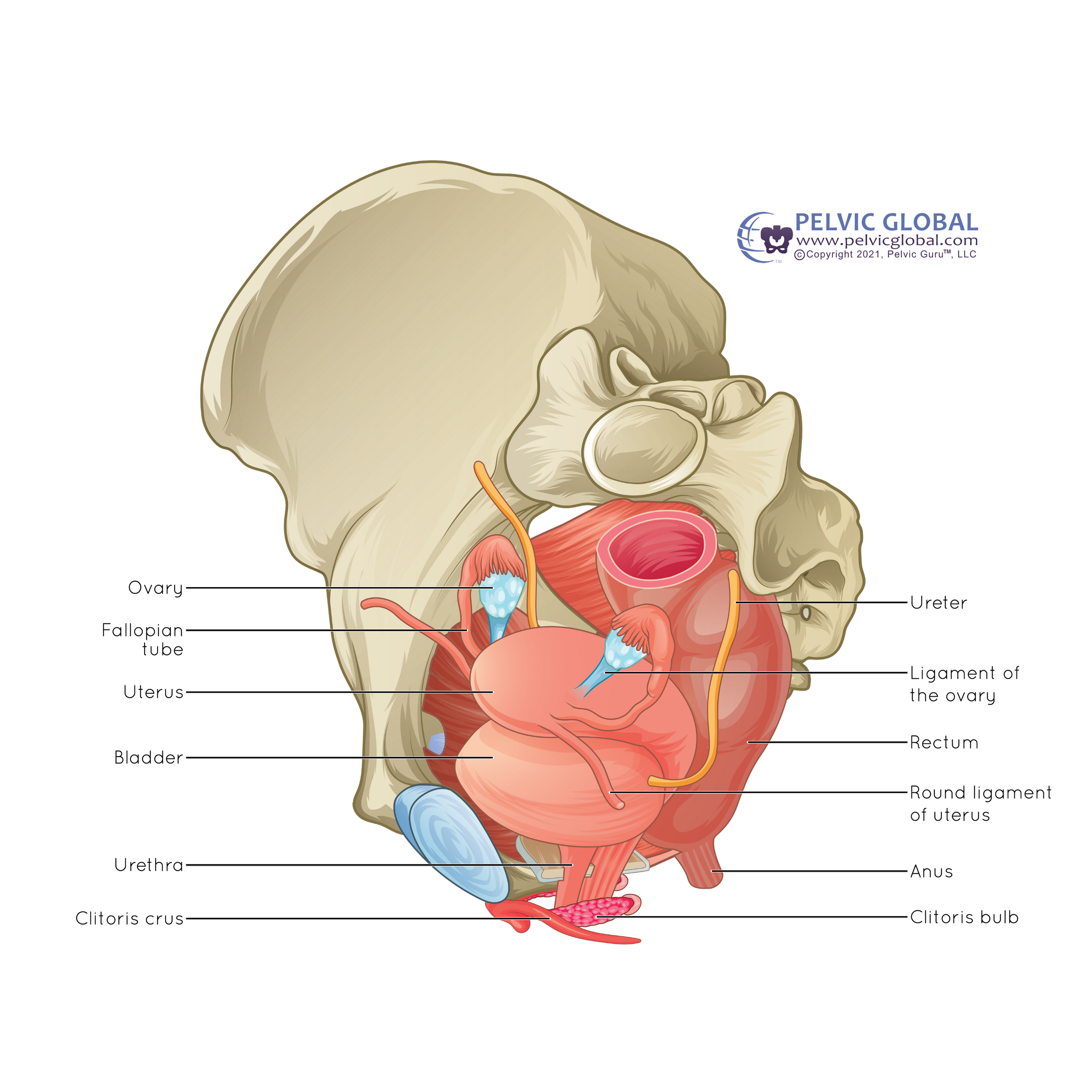
Image used with permission from Pelvic Guru®, LLC as a Pelvic Global Member
What Is Interstitial Cystitis?
Let's start with the basics.
Interstitial Cystitis (IC) is characterized by pain in the bladder either with bladder filling, emptying, or both. This is why it's typically called Painful Bladder Syndrome.
You may be diagnosed with Interstitial Cystitis by a urologist or urogynecologist.
Treatment for Interstitial Cystitis should, in our opinion, always involve working with a pelvic floor therapist and pelvic therapy. As you can see in the image here of the pelvic/abdominal region, the bladder is surrounded by the pelvic muscles and other organs and is controlled by muscles that are a part of the system of muscles and structures within the pelvic region.
In our experience, many people have to navigate the health care system for a decent amount of time before they are actually diagnosed with something like Interstitial Cystitis.
If you are feeling like you may have Interstitial Cystitis and are looking for a diagnosis or confirmation, you may choose to start with pelvic therapy first.
Common Symptoms of IC, or Painful Bladder Syndrome
If you feel like you have Interstitial Cystitis or you've been diagnosed with Interstitial Cystitis, you may notice some of the following common symptoms:
Urinary urgency
Urinary frequency
Pain in the lower belly and/or abdomen with bladder filling
Pain in the lower belly and/or abdomen after bladder emptying
Difficulty delaying the urge to pee due to pain
Low volume of peeing due to pain
Bladder pain, of course
It can also be accompanied by other diagnoses and/or symptoms, including:
Endometriosis
Pain with sex
Constipation
Hip pain, back pain, pain in the genitals
You might look at this list and think, "Well, is it interstitial cystitis, or could it be something else?"
That's exactly correct.
It's important to distinguish exactly what you are experiencing and which symptoms can be alleviated with pelvic physical therapy treatment.
Also, are you dealing with hip pain, back pain, or genital pain?
Or are you dealing with interstitial cystitis?
The main thing to know is that once we figure out which symptoms you have, we can determine which treatment will help alleviate them.
Why IC Cannot Be Cured (And What You Can Do)
The goal when you have Interstitial Cystitis is not to “cure” it. Why? Well, IC is a cluster of symptoms. There isn’t a distinguishable test that proves a problem is there; it cannot be “cured”. So the verbiage doesn’t make sense here.
In about 10% of cases, Hunner’s lesions (or cyst like structures in the bladder) are present but most cases do not have a specific biomarker on imaging.
So this means that we are not looking to actually cure the condition. Rather, we are looking to determine what symptoms you are experiencing and how we can manage those symptoms.
And that's why we don't chase the "cure.
IC is treated by managing symptoms, specifically managing the problematic tissue that is referring pain to the bladder. We can identify this problematic tissue during the pelvic therapy examination and treatment.
What IC Management Actually Looks Like for Our Patients
So, if curing the condition is not what we're chasing, let's talk about what management looks like.
For our patients, management looks like many things. This is also dependent on what symptoms they are experiencing.
Many patients are treated with bladder instillations and medications first. This is super unfortunate because the evidence behind their use is limited.
Remember when I mentioned that a lot of people have to navigate the health care system for a decent amount of time before they actually find care that makes them feel better?
This is exactly what I'm talking about.
Here's what I wish every patient knew about IC management: The American Urological Association gives pelvic floor PT grade A recommendation (or the best) for treatment of IC: Read the American Urological Association recommendation here.
More patients with IC should be recommended pelvic floor PT to manage their symptoms before trying things like bladder instillations, hydrodistensions, and medications.
Pelvic floor therapy can help determine where exactly the problematic tissue is and alleviate symptoms accordingly. It's a holistic approach and typically makes more of a difference for patients both in the short and long term.
Go, pelvic PT!
Diet and Lifestyle Changes That Help with IC Management
When it comes to diet and lifestyle changes, these are variable person to person.
Not every person with IC has the same triggers, which means that giving blanket recommendations is difficult and ultimately not helpful.
Here are my suggestions:
Pay attention to how your symptoms are affected by your menstrual cycle.
Pay attention to certain foods to see whether they affect symptoms. Some of these things include foods like tomatoes, lemons, carbonated beverages, caffeine, and chocolate.
If you think you have found a trigger, remove it from your diet for 2 weeks, then reintroduce it. See if your symptoms flare up upon reintroduction.
Since the pelvic floor is often very tense in people with IC, stress can increase that tension.
Keeping stress low, reducing overall stress, and adding meditation to your routine can help a lot.
Medical Treatments for IC
As I mentioned above, pelvic therapy has a grade A recommendation by the AUA. This is research-backed and very important.
But if you're intrigued about what medical treatments exist, or if you have been recommended a medical treatment, here are some of the things that are typical:
Hydrodistention
Bladder instillations
Medications
These things are often recommended by urologists and urogynecologists. The evidence behind their use is lacking.
Speaking from my experience as a pelvic therapist, I would recommend that you seek out pelvic floor therapy before trying those treatments.
How Pelvic Floor PT Fits Into IC Treatment
I am, of course, biased because I am a pelvic therapist, but in my opinion and per the evidence and recommendations from the AUA, pelvic floor PT is essential for IC treatment.
If you're wondering what pelvic floor PT treatment looks like, here are a couple of things that you can expect.
One of the main goals of treatment is to determine what the problematic tissue is that is resulting in referred pain to the bladder. We can then treat that tissue. The treatment is specific to your body and presentation.
Pelvic floor PT aims to reduce the tightness in the pelvic floor, abdomen, and tissues surrounding the bladder.
We also include bladder training and retraining. People with painful bladder syndrome often notice bladder filling and emptying more. They may also feel more aware of the sensations around these changes.
In other words, your brain has learned to expect pain. We will retrain that response while treating the affected tissues.
This is our nervous system at work and is completely treatable.
Pelvic PT should not consist of strengthening exercises like Kegels, as Kegels can put more tension in the pelvic floor and make symptoms worse.
What to Expect Long-Term With IC
Long-term, IC is about managing symptoms. The first step is to identify the triggers for you specifically, which may be different from those of someone else who has IC.
Then, we need to treat the dysfunctional tissue or address the triggers causing symptoms.
It's important to know that the reduction and elimination of symptoms is possible with the right team in place.
I see this all of the time. Don't lose hope, don't give up.
Where to Find Pelvic Floor PT in Bucks County for Interstitial Cystitis Treatment
We at Vivid believe that everyone should come to pelvic floor PT if they are experiencing painful bladder syndrome for specific, holistic, and whole-body treatment.
If you’re local to Doylestown or Newtown, PA, we’d love to help you decrease and eliminate symptoms from Interstitial Cystitis. Our pelvic floor therapy sessions are perfect for determining exactly what YOU need based on your symptoms and presentation.
We proudly put our patients first by offering one-on-one appointments for a full hour. You will have time to be heard and we will take time to listen to your whole story.
You won’t be passed between different professionals, and we will work to get you a holistic solution to your pelvic health concerns.
We choose to participate in a private pay model so that we can focus on putting patients first.
We’d love to work with you. Feel free to schedule online or reach out to us if you have questions before getting started.