

Perimenopause Pelvic Floor PT
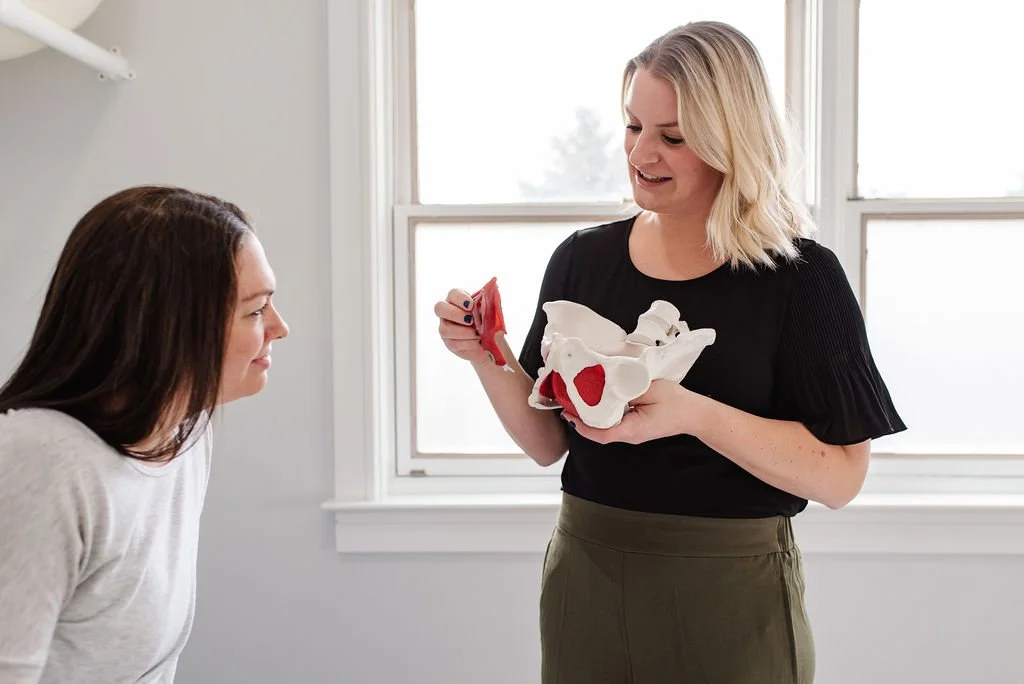
Physical Therapy for Women in Perimenopause in Bucks County, PA
At Vivid Women’s Health, we provide physical therapy for women transitioning through perimenopause in the Newtown, PA and Doylestown, PA areas.
Whether you are struggling with painful intercourse, urinary leakage, overactive bladder, or are seeking general exercise guidance for the perimenopause transition, we are here for you.
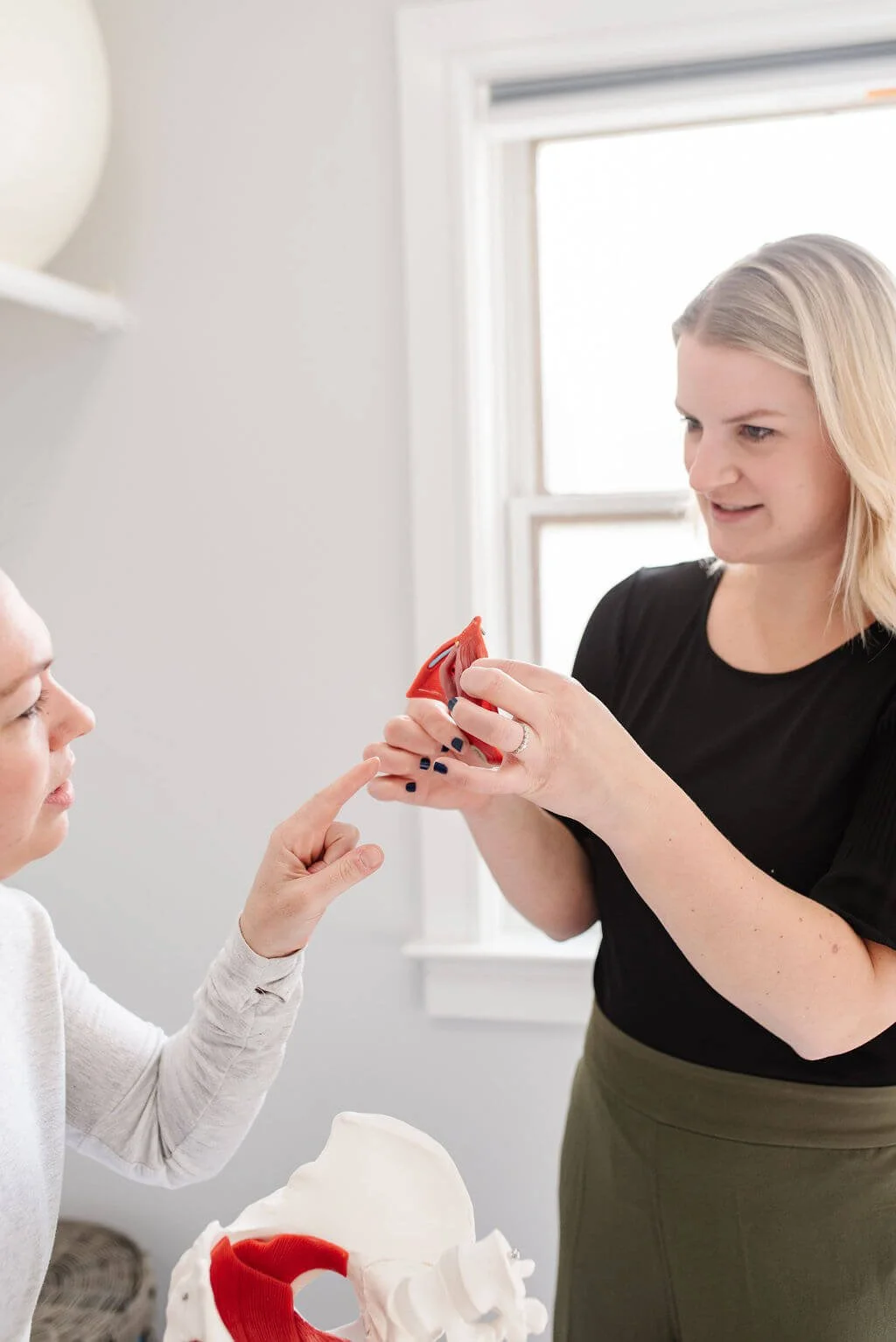
What is Perimenopause?
Perimenopause is the transition time leading up to menopause. It typically occurs 10-15 years before the last menstrual period.
The average age that most women enter menopause is 51. Therefore most women begin the transition into perimenopause around 35-40 years old.
During perimenopause our body begins to reduce estrogen production. As women, we have estrogen receptors all over our body.
Therefore, symptoms of perimenopause can be diffuse and vary greatly between women.
Common symptoms during perimenopause can include:
Hot flashes, night sweats
Sleep dysfunction
Sexual health concerns including painful intercourse
Weight gain
Pelvic health symptoms including leakage, constipation, and overactive bladder
Joint pain especially in the back, hips, and shoulders
Compromised bone density
Heavy periods
Pelvic Floor Symptoms During Perimenopause
During perimenopause, hormonal changes result in not only pelvic health symptoms, but also affect the body as a whole.
Common pelvic health symptoms that women struggle with during perimenopause include:
Urinary symptoms including urgency, frequency, pain and leakage
Bowel symptoms including constipation and fecal incontinence
Sexual symptoms including pain with sex, decreased orgasm, and decreased libido
Joint symptoms including back pain, hip pain, and shoulder pain
A word from a patient:
“I didn’t know I needed it as much as I did. It even helped me in ways that have nothing to do with the pelvic floor, but with wellness in general. I am so glad that I came to Vivid Women's Health versus another facility because I really feel the personalized, quality service is what made the difference. Everyone there, from the front desk to the owner, is so helpful. It was well worth it.”
.- Amy S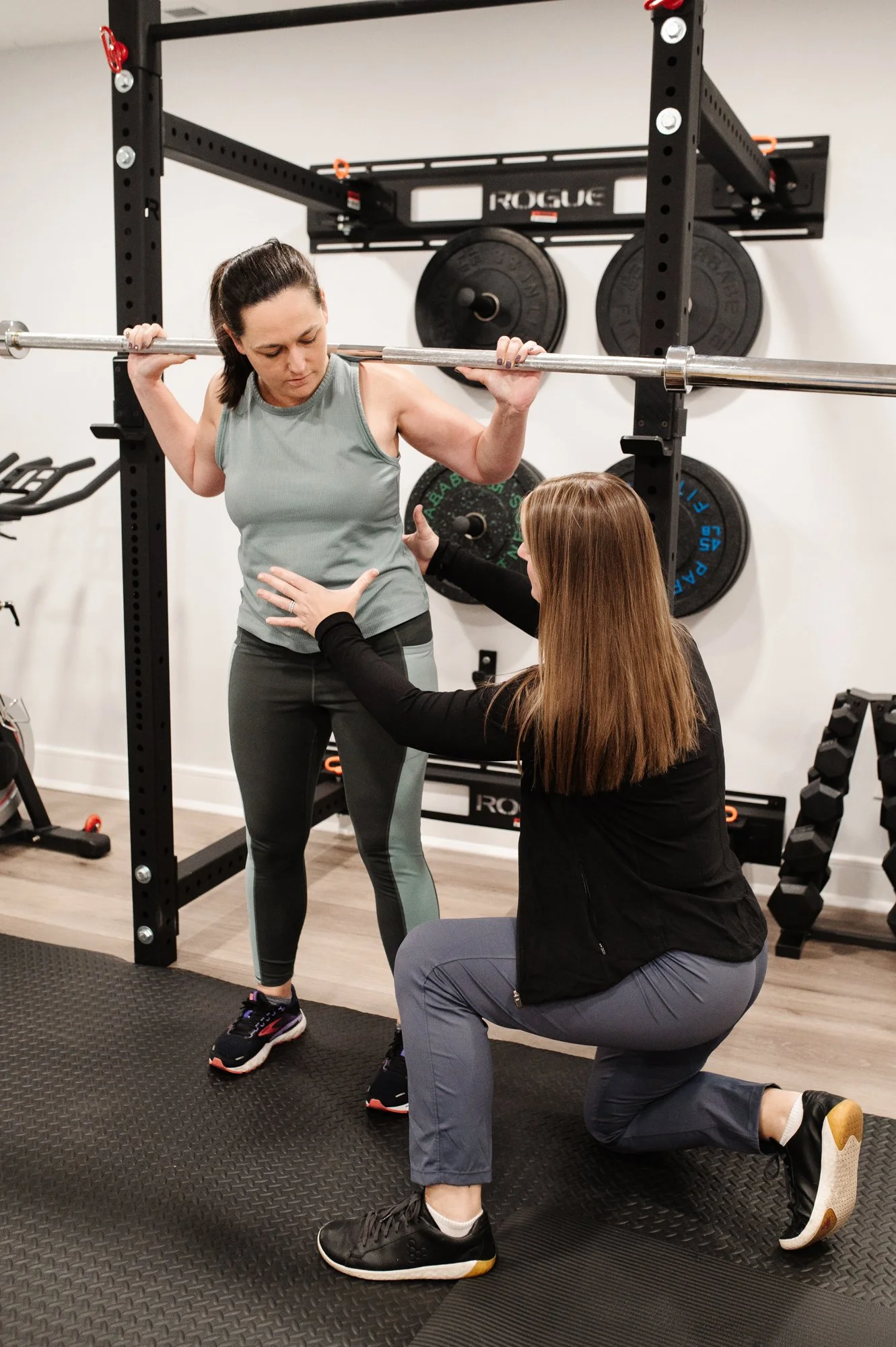
How Does Pelvic Floor PT Help During Perimenopause?
Pelvic floor PT is a highly effective, evidence based treatment to help patients manage symptoms during perimenopause.
A 2022 study found that 1 in 2 women report that pelvic health symptoms are a barrier to exercise.
Movement and resistance training is a key to optimizing health and decreasing symptoms during menopause.
By improving pelvic health symptoms and using targeted resistance training, sleep hygiene, stress management strategies, postural training, and lifestyle management, relief from perimenopausal symptoms is possible.
A word from a patient:
“My experience at Vivid Women’s Health has transformed my daily life as well as my expectations for my future. After suffering from issues related to endometriosis, C-section, and type 1 diabetes for over 25 years, I had consulted countless healthcare providers and found no significant relief. With this therapeutic experience I began to feel improvement within a short time and after a few months I feel better than I have felt in decades. I am continuing to learn and to heal— in body and spirit! I am grateful beyond words for the services provided by Vivid Women’s Health!”
.- Laura ZVivid’s Approach to Perimenopause Pelvic Floor Therapy
Women’s Health Physical Therapy is all that we do. We are unlike any other physical therapy practice.
Since all we treat are women, we know the needs of a woman.
We understand that each woman’s experience is unique. Since each woman’s experience through perimenopause looks different, you need an individualized approach to care with a provider who is knowledgeable and understanding.
Some things that make use unique include:
True one-on-one sessions. At Vivid, you are with your therapist in a private treatment room. We don’t work with aides or techs- you will have your therapist’s undivided attention for your entire session.
Knowledgeable PTs that solely treat women. Instead of taking 1-2 courses in women’s health, our therapists have taken dozens. Our team has dedicated their careers entirely to women’s health PT
Our treatment goes beyond the pelvic floor. We consider the effects of women’s postures, hormones, life stressors, and menstrual cycle fluctuations to get to the root cause of your pain, and perimenopause symptoms.
We are focused on keeping you active. Research shows that being active is a key to managing symptoms through perimenopause. Our focus is to get you, and keep you active, without worrying about your pelvic floor.
A spa like environment. Our office is unlike any other. We provide a private, comfortable setting so that you can relax, and leave your sessions feeling restored and empowered.
Our Vivid Process
At Vivid we are elevating the healthcare experience. We proudly provide expert care, delivered with intention. Here is our 4 step process to helping to get you to stop leaking and get out of pain so you can run, lift, and have enjoyable sex.
Assess
Figure out the root cause of your symptoms
Connect
Eliminate symptoms and connect with your core and pelvic floor
Progress
Progress activity to run, jump, and lift all without symptoms
Restore
Maintain changes for optimal pelvic health
Ready to jump right in and get scheduled for perimenopause PT today?
Click the link below and we will take you to our online scheduling platform.
Frequently Asked Questions About Postpartum PT
-
We recommend starting pelvic floor physical therapy at any point that you are experiencing symptoms such as urinary leakage, urinary urgency, bowel incontinence, constipation, or pain with sex.
We also advise anyone that is looking to get into an exercise routine during the perimenopausal years to seek exercise guidance from an experienced women’s health physical therapist.
-
Absolutely not!
As we enter our late 30s and 40s, staying active is an important part of managing symptoms of perimenopause.
Women’s health physical therapists understand how to safely progress women into an appropriate strength training and exercise program that can help them not only manage symptoms of perimenopause, but remain active for the rest of our lives.
-
Fun fact! The specialty of pelvic health PT, used to be called women’s health PT. Until recently, the term “pelvic health PT” began being used as a way to include all genders, as males too have a pelvic floor.
Certain pelvic floor PTs (like us!) continue to solely specialize in women’s health physical therapy. This means we can help women throughout her life with overcoming orthopedic and pelvic symptoms.
At Vivid, we only treat women. Our entire team dedicates their continuing education solely on women’s hormones and musculoskeletal changes through the life cycle.
At the end of the day, we all have a deep understanding of the entire body because we too can treat any joint in the body as we all started as “regular PTs”.
Besides being knowledgeable in the pelvic floor, our team understand the effects of low hormone levels on tendon healing, bone health, and muscle physiology.
This knowledge helps our treatments be thorough and specific so that we can help you be active safely, and without worrying about pelvic floor, or any other joint symptom creeping in.
-
Besides helping our patients with pelvic health symptoms such as urinary concerns, bowel concerns, pain with sex, and joint/orthopedic pain, women’s health PTs can help manage other perimenopausal symptoms.
In addition to pelvic floor and orthopedic symptoms, women’s health PTs can help to drastically reduce other perimenopausal symptoms.
Research shows that women who participate in resistance training and a regular exercise routine have decreased symptoms such as hot flashes, night sweats, insomnia/difficulty sleeping, and weight gain too!
-
Hormone therapy is an adjunct to great foundational habits.
While hormone therapy can help with some symptoms like pain with sex, many times hormone therapy will not change other pelvic health symptoms.
We always liken hormone therapy to a seed for a plant. If the soil doesn’t have nutrients, sunlight, water, the seed won’t thrive and grow.
Without the proper nutrition, sleep hygiene, exercise regimen, stress management, it will be difficult for hormone therapy to be helpful at managing symptoms.
Partnering with a knowledgeable hormone therapy specialist, and good women’s health PT is a winning combination!
-
Maybe! Women are having babies later, which is great, but also starts to trickle into the time in their lives where ovulation becomes erratic/sporadic.
This inconsistent ovulation is the hallmark sign of perimenopause and can last 10-15 years before you stop getting your period. However, since you are not in menopause and may still be ovulating, you can still get pregnant.
Many times, patients are confused whether their symptoms are the result of pregnancy, postpartum or perimenopause, especially those that choose to have children later in life.
How a woman heals postpartum defines so much of what health will look like later in life and symptoms during perimenopause can be the direct result of pregnancy or postpartum that occurred earlier (or not so earlier) in life.
-
This is a tough question!
At Vivid, we are not anti-Kegel, but we are very pro-there are other ways to strengthen your pelvic floor.
Sometimes though, we do need to teach our patients how to properly engage their pelvic floor (i.e. Kegel) and other times, there are other exercises.
Remember though, not everyone needs Kegels.
Sometimes, pelvic floor muscle tightness is what is causing your symptoms and Kegels can make your symptoms worse!
It’s important that if you do Kegels, a knowledgeable internal pelvic floor therapist prescribed them and gave you clear directions on how to progress your entire body to work as a system.
-
Absolutely!
We can help design a safe exercise program that includes resistance training, cardio exercise, core exercises, and bone density building exercises.
-
As we mentioned above- yes!
Even if your pelvic floor isn’t the problem, pelvic floor/pelvic health/women’s health PTs are synonymous with helping women manage symptoms throughout the life cycle.
We have a deeper understanding of how the tendons, joints, muscles, and bones change as a result of hormone changes.
-
Our goal is to get you better, faster. When involving a third party, care gets more complicated, and becomes less about you and resolving the symptoms you are trying to resolve.
Quality of care, longer visits, personalization and advanced treatment without insurance driven limitations is what makes our care unique.
We accept HSA, FSA, care credit and all major credit cards.
We are direct pay practice, which allows us to provide the highest quality care.
We can provide documentation for possible reimbursement if you are interested. Reimbursement cannot be estimated, or guaranteed.
For more information on rates please call us now, or visit here